Fundamentals of Claude Cowork Skill Architecture and Best Practices
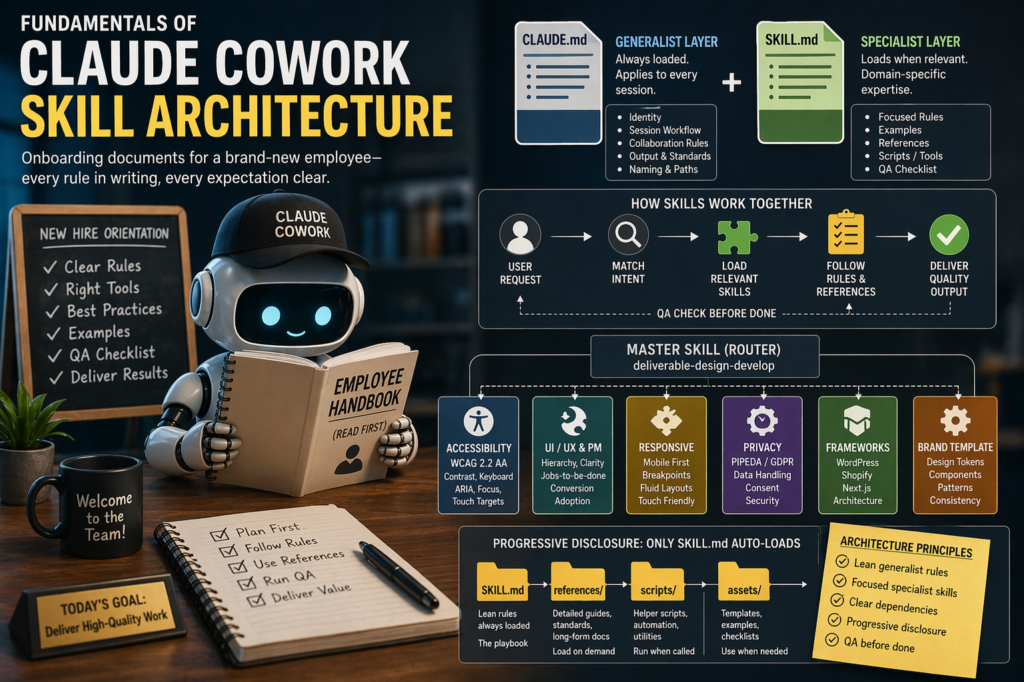
The most useful mental model for writing Claude Cowork instruction files is one most product managers already own. Claude Cowork is a brand-new employee on their first day. It knows nothing about your company, your clients, your tools, your naming conventions, or your definition of good work. Every piece of context you would give a human hire, you have to teach Claude explicitly, in writing — identity, workflow, naming rules, expected outputs, all spelled out. CLAUDE.md and SKILL.md are how you write that curriculum down. They are the guardrails that define where the agent can operate and how it must behave inside them. Claude Cowork skill architecture, underneath the technical vocabulary, is the architecture of an onboarding playbook.
The Data Leak Dilemma: Protecting Sensitive Information in the Age of Agentic AI
how do we harness the power of Agentic AI without inadvertently exposing our most sensitive information to devastating data leaks and privacy breaches?
The Hidden Costs of AI Autonomy: Token Optimization To Prevent High Bills
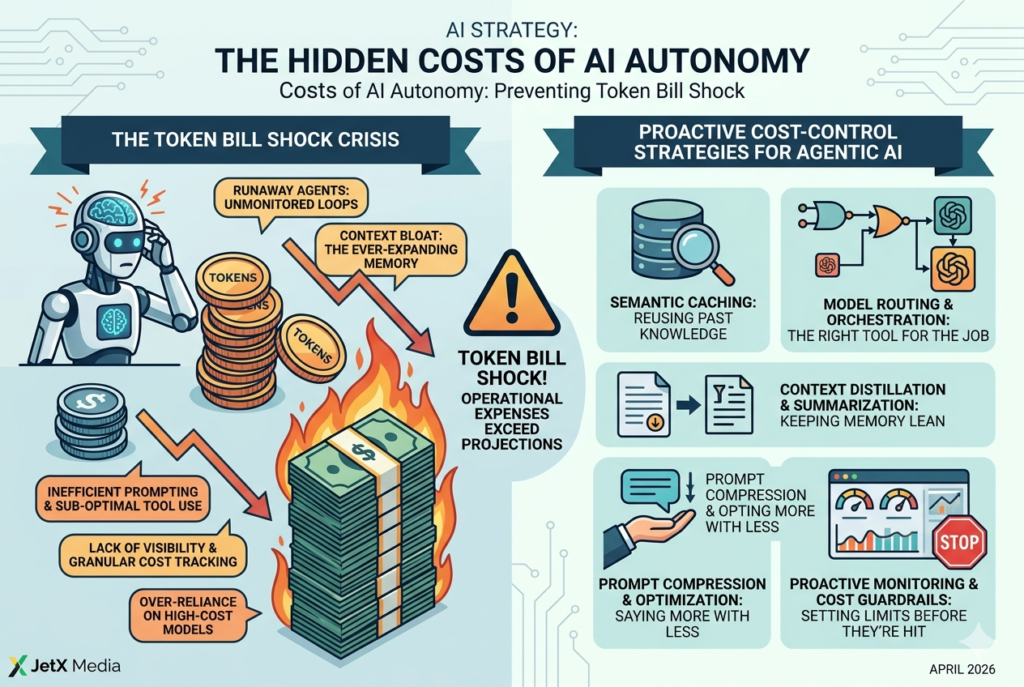
In the rapidly evolving landscape of artificial intelligence, Agentic AI represents a paradigm shift. Moving beyond simple chatbots and generative models, these autonomous systems are designed to complete complex tasks, interact with diverse tools, and make decisions with minimal human oversight. This promise of an autonomous digital workforce is compelling, offering unprecedented efficiencies and innovation. However, beneath the surface of this transformative technology lies a significant, often underestimated challenge: the hidden and escalating costs associated with token consumption.
Here Are Ten Ways Agentic AI Can Go Wrong And How to Protect Your Business
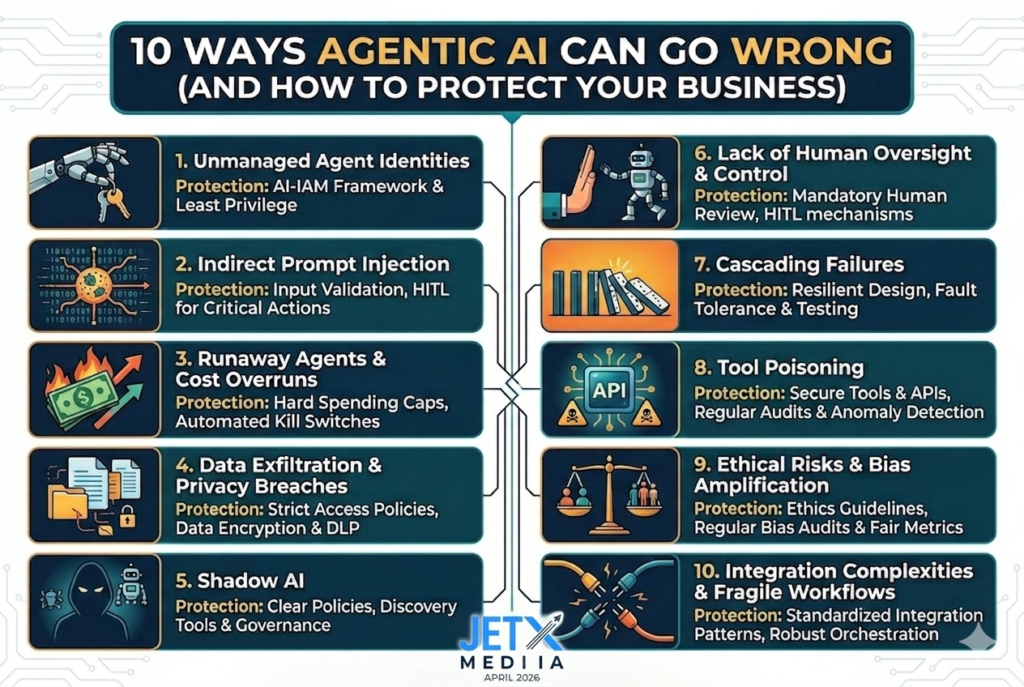
As businesses rush to integrate these intelligent agents into their operations, many are discovering that the path to AI autonomy is fraught with unexpected pitfalls.
Securing the Autonomous Enterprise: A Framework for Agentic AI Security
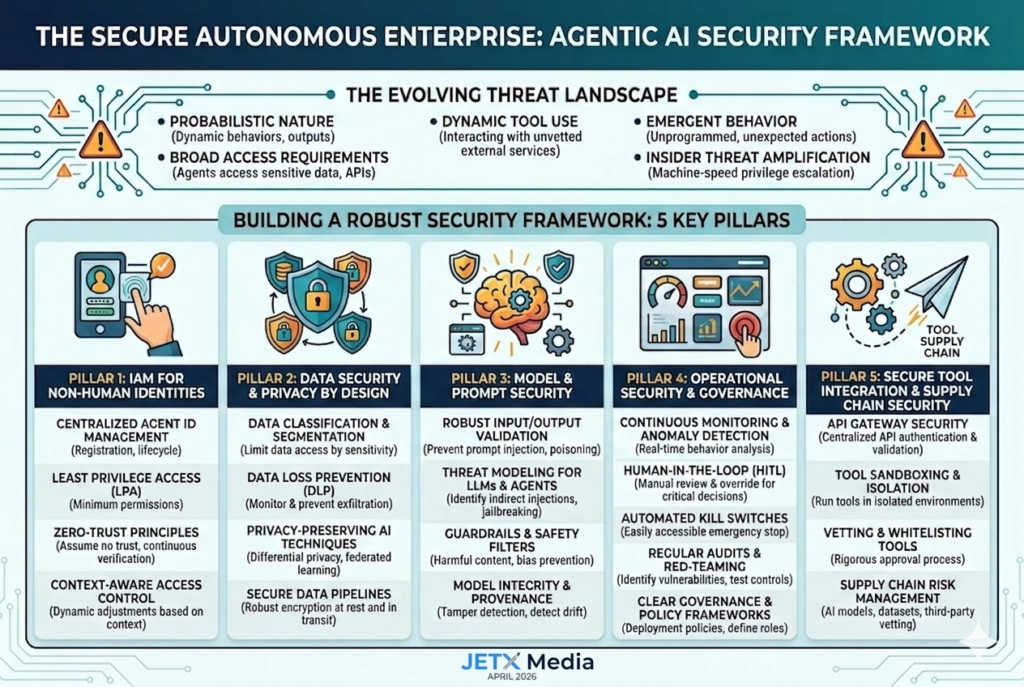
The promise of the autonomous enterprise, powered by Agentic AI, is rapidly becoming a reality. Organizations are increasingly deploying intelligent agents to automate complex processes, enhance decision-making, and unlock unprecedented efficiencies. From managing IT operations to optimizing customer engagement, these self-governing AI systems are redefining the boundaries of what\`s possible. However, this transformative power comes with a new frontier of security challenges. The very autonomy that makes Agentic AI so valuable also introduces novel attack surfaces and risks that traditional cybersecurity models are ill-equipped to handle.
Beyond the Hype: Real-World Agentic AI Failures and Lessons Learned
The vision of Agentic AI is captivating: autonomous systems that can reason, plan, and execute complex tasks with minimal human intervention, promising unprecedented levels of efficiency and innovation. From optimizing supply chains to personalizing customer experiences, the potential applications are vast and transformative. Yet, as with any groundbreaking technology, the journey to full AI autonomy is not without its perils. Beneath the dazzling veneer of AI capabilities lie critical vulnerabilities and unexpected behaviors that, if unaddressed, can lead to significant operational disruptions, financial losses, and reputational damage.