Handoff Principles of Bridging Strategy and Execution For Any Project

Innovation isn’t just about having the right idea — it’s about bringing that idea to life without losing clarity, speed, or purpose along the way. Too often, companies invest heavily in strategy only to see delivery falter. Or they sprint toward development without fully aligning on what needs to be built and why. The result? Scope creep, unclear priorities, missed milestones, and ultimately, underwhelming user experiences.
Accessibility First: JetX Media Inc.’s Guide to Accessibility Compliance

Accessibility is no longer a “nice-to-have.” For any organization serving a broad audience, ensuring your website or SaaS platform is compliant with accessibility standards like ADA, Section 508, WCAG 2.1 (A/AA/AAA), and A11y guidelines is both a legal obligation and a moral imperative.
The Future of Digital Marketing: How JetXMedia is Leading the Way

Businesses must adapt quickly to stay ahead of the competition. The marketing world is evolving at an unprecedented rate, driven by technological advancements, consumer behavior shifts, and data-driven strategies. At JetXMedia, we are committed to helping businesses navigate these changes and maximize their digital marketing efforts for sustained growth and success.
Exploring SAAS, PAAS, IAAS, CAAS & More: JetX Media’s Cloud Tech Breakdown
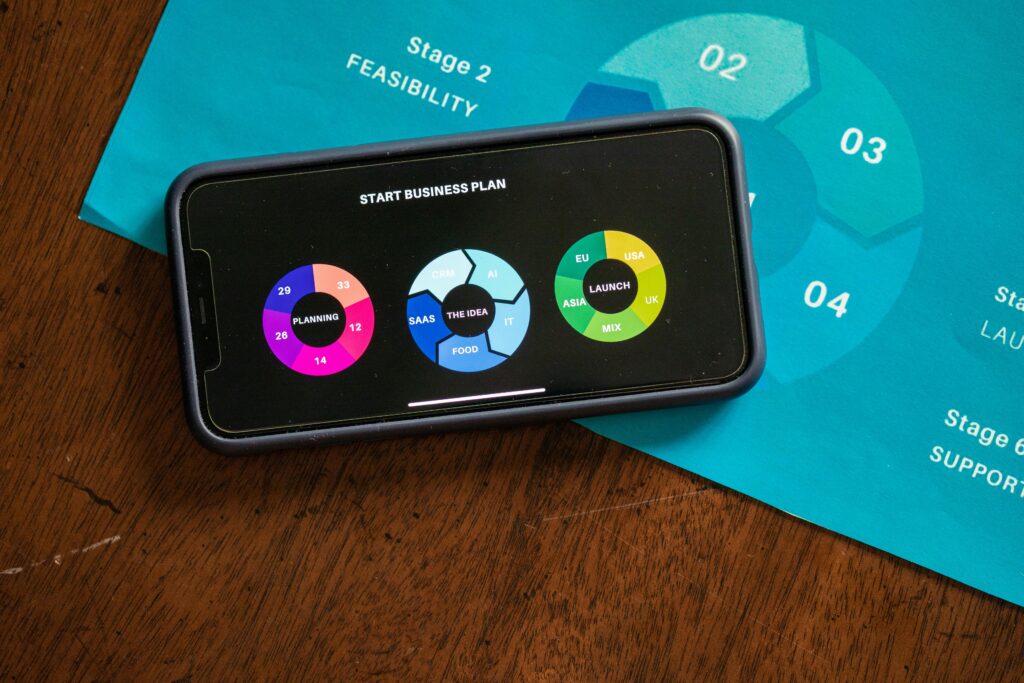
Businesses need flexible, scalable, and reliable platforms to meet their customers’ evolving needs. At JetX Media Inc., we help organizations leverage the right technology stacks to build powerful digital experiences. This blog explores the core cloud service models — SaaS, PaaS, IaaS, CaaS, and more — and highlights the importance of API integration in modern development.
Why Your Chamber of Commerce Needs a Website Upgrade in 2025

Is your chamber of commerce’s website stuck in the past? In 2025, a modern digital experience is essential for driving member engagement and promoting local businesses. Discover why an outdated website could be costing you potential members and how a fresh, mobile-responsive design can enhance your credibility and visibility. From seamless event registration to improved SEO and ADA compliance, learn how upgrading your website can transform your operations and strengthen your community. Don’t miss out on growth opportunities—read on to find out how JetX Media can help you build a high-impact online presence!